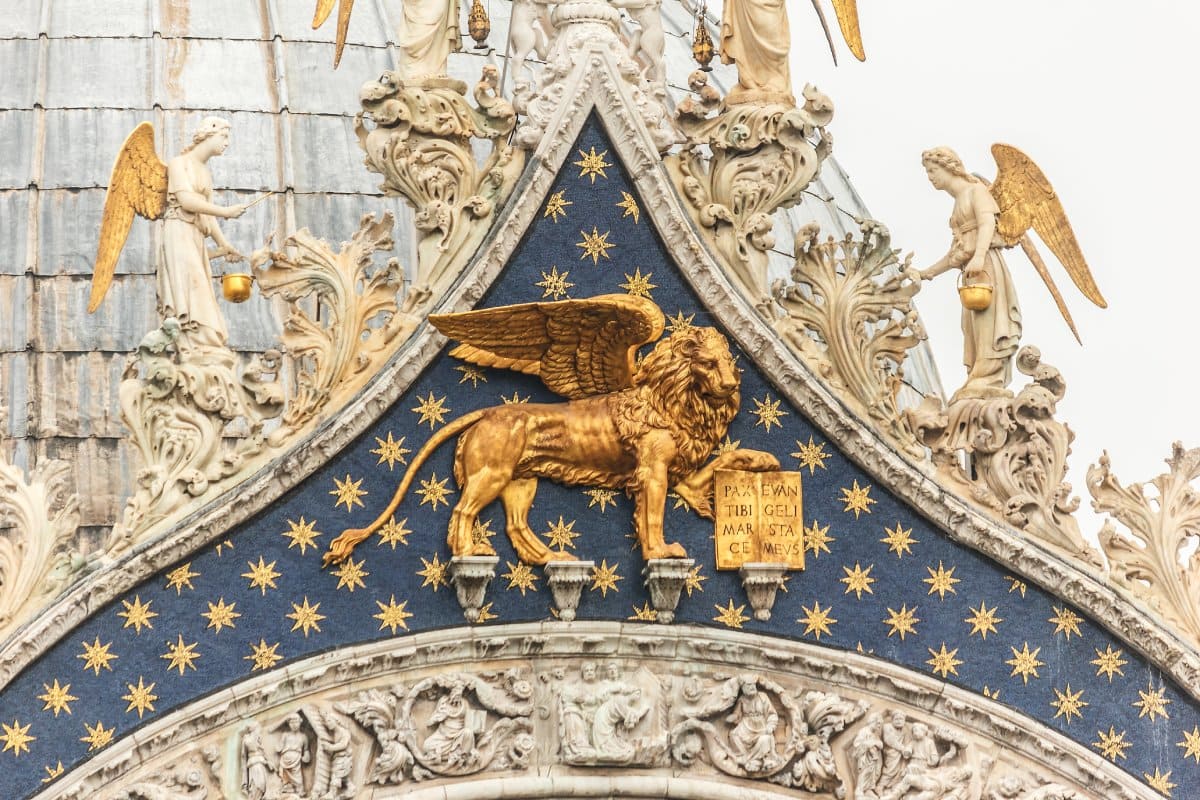
The winged lion, an iconic symbol of Venice, is deeply rooted in religious and historical significance. It represents Saint Mark, the evangelist, and has become a powerful emblem of the city. This majestic creature combines the ferocity of a lion with the grace of a bird, symbolizing strength and spirituality. Understanding the symbolism behind the winged lion provides insight into its importance in Venetian culture.
The Origin of the Winged Lion
The history of the winged lion can be traced back to various ancient civilizations. It was initially recognized in the Roman and Byzantine empires, but its main association is with Saint Mark. When Venice became a powerful maritime republic, the winged lion emerged as a symbol of its identity. Saint Mark was believed to be the patron saint of Venice, and the lion depicted him as a protector of the city.
The Symbolism of the Winged Lion
The symbolism behind the winged lion can be categorized into several key themes:
- Strength and Courage: The lion embodies courage, representing the strength of the Venetian people.
- Spirituality: The wings signify the spiritual elevation and the divine mission of spreading the Gospel.
- Protection: As the guardian of Saint Mark, the lion symbolizes protection over Venice and its inhabitants.
- Freedom: The ability to fly represents freedom, reflecting the aspirations of the Venetian republic.
- Wisdom: The lion is also associated with wisdom, portraying it as a figure of learning and enlightenment.
The Winged Lion in Art and Architecture
The winged lion appears prominently in various forms of Venetian art and architecture. It can be found in sculptures, paintings, and even in the design of important buildings. For instance, the Basilica di San Marco showcases the lion in its mosaics, celebrating its significance. The winged lion is also present in the iconic Campanile, where it stands as a testament to Venice's rich cultural heritage.
Famous Representations
| Location | Description |
| Basilica di San Marco | The lion is depicted in stunning mosaics, emphasizing its importance as Saint Mark’s symbol. |
| Campanile di San Marco | The tower is iconic, with winged lions on nearby columns and architectural details. |
| Piazza San Marco | In the square, the lion is part of various artworks, serving as a focal point for visitors. |
Conclusion
The winged lion of Venice represents a rich blend of cultural, spiritual, and historical significance. Its association with Saint Mark, the evangelist, offers a profound understanding of its emblematic role within the city. By recognizing the meaning behind this majestic symbol, we appreciate its influence on Venetian identity and heritage. As visitors gaze upon this remarkable creature, they witness not just a work of art but a symbol of strength, protection, and spirituality that has stood the test of time.