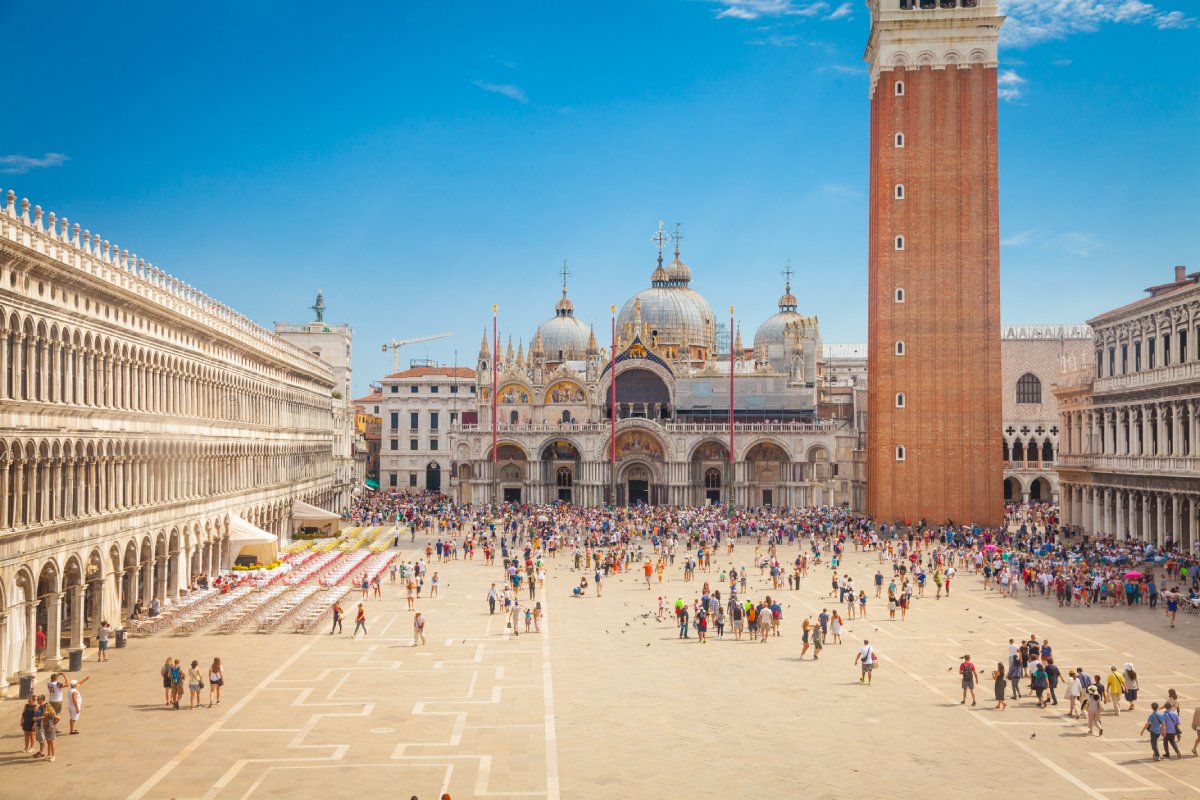
Saint Mark's Basilica in Venice is more than just an architectural marvel; it is a sacred site that houses some of the most revered relics in Christianity. The Relic Chamber, located within this splendid basilica, contains the remains of Saint Mark, the patron saint of Venice, and a number of other holy relics that attract pilgrims and visitors alike. This article delves into the history and importance of these relics, revealing how they are preserved and venerated by the faithful.
The Significance of Relics
Relics are physical remains or personal effects of saints and martyrs that are preserved for veneration. They are classified into three categories:
- First-class relics: Actual body parts of a saint, such as bones or hair.
- Second-class relics: Items owned or used by the saint, like clothing or personal objects.
- Third-class relics: Objects that have been touched to a first-class relic.
These sacred items serve as tangible connections to the divine, inspiring devotion and reverence among believers. They are often displayed in shrines, allowing the faithful to come close to their sanctity.
The History of Saint Mark’s Relics
Saint Mark's relics have a storied past that dates back to the 9th century. Originally, they were housed in Alexandria, Egypt, but in a dramatic turn of events, Venetian merchants smuggled them to their city to protect them from potential destruction. This act cemented Saint Mark's identity as the protector of Venice, leading to the establishment of the basilica dedicated to him.
The relics have remained in this sacred site since its consecration in 832 AD, making it a significant pilgrimage destination for centuries.
Features of the Relic Chamber
The Relic Chamber of Saint Mark's Basilica is adorned with opulent decorations that reflect its importance. Key features include:
- Exquisite mosaics: The walls of the chamber are covered in golden mosaics that depict biblical scenes and saints.
- Sacred altar: At the center stands an ornate altar housing the remains of Saint Mark.
- Veneration practices: Special rituals are performed regularly to honor the relics, attracting many worshippers.
The Role of Relics in Devotion
Relics play a crucial role in the spiritual life of the faithful. They are seen as a means to encounter the divine, providing comfort and hope. Devotees often visit the Relic Chamber to pray and connect with the spirit of Saint Mark. The basilica organizes various events and celebrations, emphasizing the importance of these relics in the community.
Visiting the Relic Chamber
To experience the sanctity of the Relic Chamber, visitors can take guided tours offered at the basilica. It is recommended to:
- Dress respectfully when visiting.
- Participate in guided prayers within the chamber.
- Observe the art and architecture that surround the relics.
The atmosphere in the Relic Chamber is often described as serene, inviting both reflection and devotion. Each visit provides an opportunity to delve deeper into the history and significance of these sacred relics.
The Treasure of the Holy Relics
In addition to Saint Mark's remains, the basilica also houses various other holy relics. These treasures are integral to the church’s heritage and are meticulously preserved. Below is a summary of some notable relics found in the basilica:
| Relic | Description |
| Saint Mark’s Bones | Preserved remains of the patron saint of Venice, central to the basilica's veneration. |
| Relics of Other Saints | Various bones and artifacts belonging to numerous saints, each with its own story of faith. |
| Artifacts of Historical Significance | Items used in sacred rituals, offering a glimpse into the church's rich history. |
Such treasures not only enhance the basilica's allure but also signify the longstanding devotion of the Christian faith throughout history.
Conclusion
The Relic Chamber of Saint Mark’s Basilica stands as a beacon of faith and history, embodying the rich traditions of the Christian faith. The preservation of these relics is a testament to the enduring devotion of the faithful. As visitors explore this sacred space, they encounter a profound sense of connection to their spirituality and the legacy of Saint Mark.