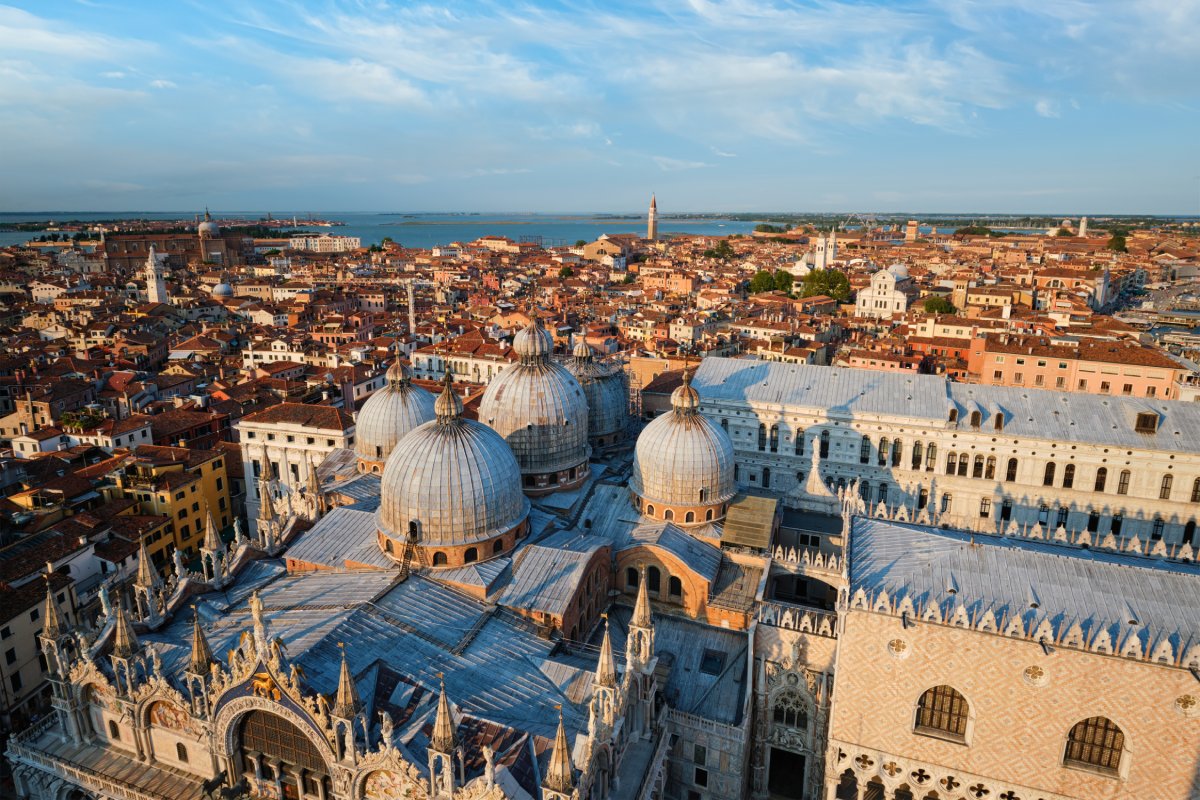
The St. Mark's Basilica in Venice is celebrated not only for its stunning mosaics but also for its remarkable architecture, particularly the iconic five domes. Each dome serves as a crucial element within the overall structure, embodying both aesthetic beauty and deep symbolism. The arrangement and design of these domes reflect Byzantine influences, showcasing the mastery of sacred geometry that was prominent during the construction period.
The five domes of St. Mark's Basilica are not merely decorative elements; they convey significant religious meaning. The central dome is the largest, symbolizing Christ, while the surrounding four smaller domes represent the four evangelists: Matthew, Mark, Luke, and John. This arrangement underscores the basilica’s role as a space of worship, where the divine and the earthly intersect. Understanding the architecture of these domes allows us to appreciate the unique fusion of artistry and spirituality that defines this remarkable building.
Architectural Features of the Domes
The domes of St. Mark's are characterized by their humped silhouette, reminiscent of Islamic architectural influences juxtaposed with traditional Byzantine styles. Each dome is constructed using a complex network of arches and structural supports that allow for their distinctive shape. The materials used, primarily brick and mortar, are a testament to the ingenuity of the builders, enhancing both durability and visual appeal.
Structural Details
| Feature | Description |
| Central Dome | Largest dome, representing Christ |
| Evangelist Domes | Four smaller domes for each evangelist |
| Materials | Brick, mortar, and decorative mosaics |
| Design Influence | Byzantine and Islamic architectural elements |
The combination of these features creates an awe-inspiring sight, drawing visitors and pilgrims alike to witness its grandeur. The deliberate use of sacred geometry throughout the design emphasizes the heavenly connection, inviting contemplation and reverence.
Symbolism Behind the Dimensions
Exploring the significance of the dimensions and arrangement of the domes reveals much about the spiritual intent behind their design. The central dome, soaring high, is designed to catch light, illuminating the space below and symbolizing divine illumination. This choice is essential in Byzantine architecture, as light is often equated with the presence of the divine.
- The central dome as a representation of divine authority
- Four smaller domes reflecting unity and diversity of the gospels
- Light as a symbol for faith and revelation
This thoughtful consideration of symbolism not only enhances the architectural elegance but also deepens the spiritual experience for those who enter the basilica. As worshippers gaze up at the domes, they are reminded of the heavenly realm and the divine narrative that unfolds within the sacred space.
Conclusion
The five domes of St. Mark’s Basilica stand as a stunning example of the coexistence of architectural brilliance and profound symbolism. Every element, from the size of the domes to their placement, carries meaning that reflects the essence of Christian faith. In studying these domes, we gain insight not only into Byzantine architecture but also into the spiritual messaging that has resonated through centuries, making it a pivotal landmark for both history and spirituality.