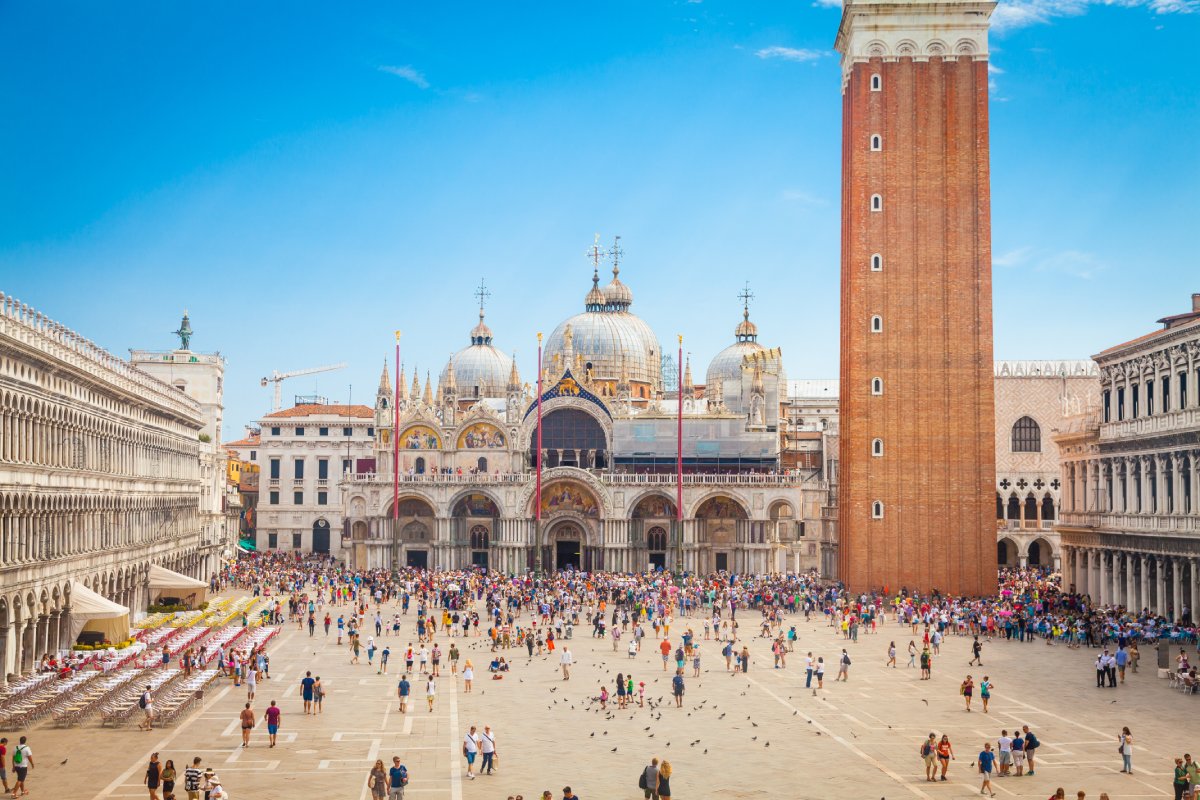
The Basilica, a symbol of Venice, was central to the city’s religious and political power. While it attracted pilgrims from across Europe, its importance was tied to Venice’s role in the Crusades, serving as a ceremonial hub and a showcase for sacred relics. The presence of St. Mark’s remains in the Basilica reinforced Venice’s prestige, blending faith with the city’s ambitions on the Mediterranean stage.
The Role of the Crusaders
Crusaders were primarily motivated by religious zeal, but they also sought to gain territory and wealth. The Basilica, housing significant Christian relics, became a pivotal destination. This led to an increase in traffic to Venice, establishing it as a crucial point for the transport of relics and supplies. Notably, the following factors demonstrate its role:
- Relic Transport: Many Crusaders believed that carrying relics could grant them divine protection during battles.
- Strategic Location: Venice served as a launching point for expeditions to the Holy Land.
- Financial Hub: The Basilica attracted funding and support for Crusade efforts.
Architectural Influence
The architectural style of the Basilica was also influenced by the events of the Crusades. With an amalgamation of Byzantine, Gothic, and Romanesque features, it reflected the cultural exchanges that occurred during this period. The Basilica’s exterior and interior were adorned with artworks illustrated Biblical stories and Venice’s religious and civic achievements, reflecting the spirit of the Crusader era.
Key Features of the Basilica
| Feature | Description |
| Location | Located in the heart of Venice, accessible to both locals and visitors. |
| Relics | House to numerous relics, drawing thousands of pilgrims and Crusaders alike. |
| Art | Features mosaics and frescoes of Biblical scenes and Venice’s civic and religious history |
The Impact of the Crusades on Venice
The influx of Crusaders transformed the social and economic landscape of Venice. The prosperity brought by trade and transport supporting Crusader expeditions boosted the city’s merchants and markets. The Basilica played an integral symbolic role, linking Venice’s religious prestige with its growing commercial influence.
Legacy and Conclusion
Today, the Basilica stands not only as an architectural marvel but also as a historical testament to the Crusades' influence. The intertwining of faith, commerce, and warfare during this period reshaped Venice's identity, and the Basilica remains a symbol of that legacy. Its continuous significance in religious and historical narratives makes it a focal point for visitors seeking to understand the profound impacts of the Crusades.