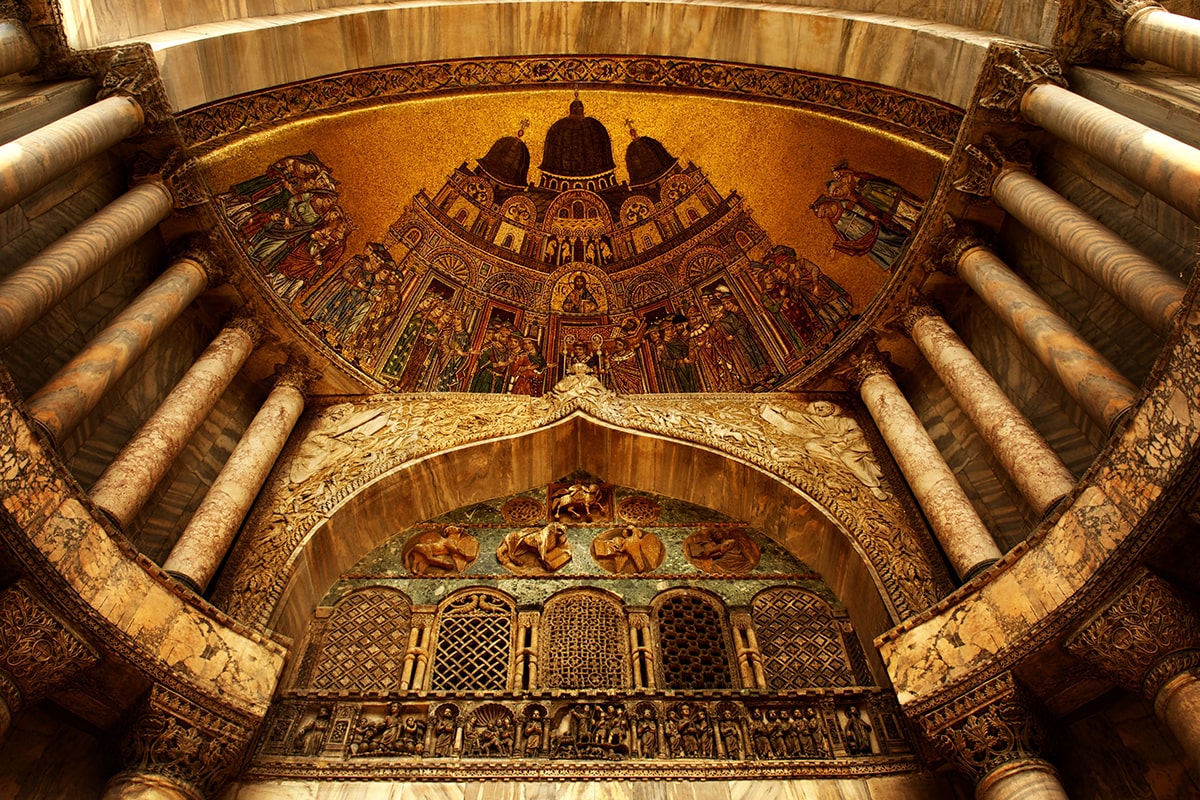
The winged lion, a majestic symbol that graces the streets of Venice, carries with it a tapestry of myths and legends. Often recognized as the emblem of Saint Mark, this magnificent creature is not merely a work of art but a representation of deeper spiritual meanings that date back centuries. In the heart of Venice, the winged lion stands as a testament to both faith and lore, embodying stories that intertwine the earthly with the divine.
The Legend of the Winged Lion in Venice
According to local legend, the winged lion symbolizes the evangelist Saint Mark, who is said to have brought Christianity to Venice. The presence of Saint Mark's remains in Venice has fortified this connection, creating a cultural icon that resonates deeply within the city. The winged lion not only serves as a reminder of this pivotal figure but also reflects the rich mythology surrounding Venetian culture.
Significance and Symbolism
The winged lion encapsulates several layers of meaning beyond its physical appearance. It is often viewed as:
- Power and Majesty: The lion, a king of beasts, embodies strength and dominance in the animal kingdom.
- Spiritual Guidance: With its wings, it represents a link between the earthly realm and the heavens, suggesting divine protection.
- Christian Symbolism: As a representation of Saint Mark, it serves as a reminder of faith and the spread of Christianity.
Mythological Roots of the Winged Lion
The origins of the winged lion can be traced back to ancient civilizations. In mythology, beasts with wings often symbolize divine creatures or messengers of the gods. The concept of a lion with wings has its roots in various cultures, each attributing different meanings and stories to this powerful symbol.
Table of Mythical Representations
| Culture | Mythical Interpretation |
| Mesopotamian | Associated with strength and protection, often depicted in sculptures. |
| Greek | Represented as guardians of the divine, often featured in temples. |
| Christianity | Symbol of evangelists, particularly Saint Mark, emphasizing spiritual authority. |
The Winged Lion as a Cultural Icon
In modern times, the winged lion remains a vital part of Venetian culture and identity. Found on flags, architecture, and monuments, it signifies the spirit of Venice itself. Its representation as Saint Mark emphasizes the city's deep-rooted Christian beliefs and the significance of its history.
Visiting the Winged Lion
For those interested in experiencing this iconic symbol firsthand, significant locations in Venice are adorned with the image of the winged lion:
- Piazza San Marco: The heart of Venice where the lion proudly stands, symbolizing the city.
- Saint Mark's Basilica: With intricate mosaics and decorations that include the winged lion, the basilica is a must-visit.
- Various statues: Scattered throughout Venice, these sculptures narrate the grandeur of the winged lion.
Conclusion
The myths of the winged lion weave a rich narrative filled with history, faith, and artistry. As a symbol of Saint Mark and the city of Venice, it continues to inspire awe and fascination among visitors and locals alike. Understanding its origins and significance allows one to appreciate not just the artistry but the deeper messages embedded within this magnificent figure.