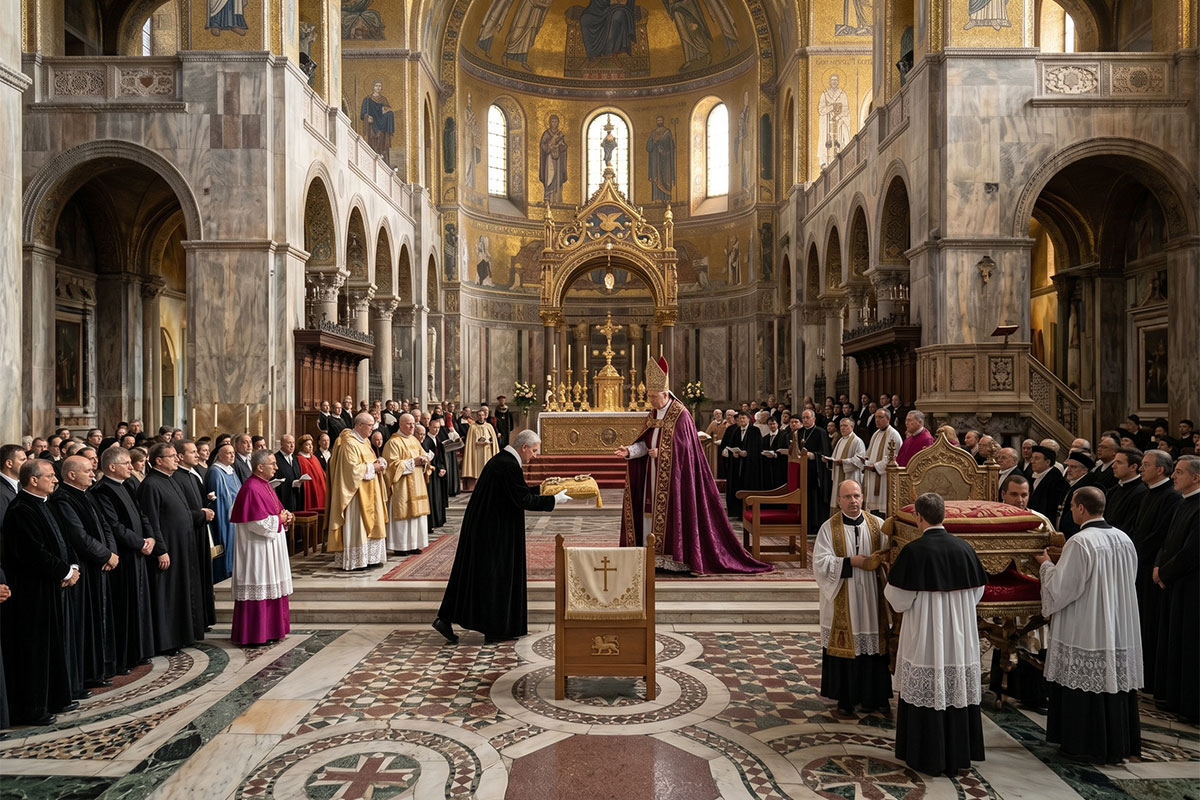
St. Mark's Basilica, a symbol of Venice, is not just an architectural marvel; it is the epicenter of religious and political history in the city. The story of how it became Venice's cathedral is rich and complex, reflecting the city’s majestic history. Initially constructed as a simple church in the 9th century to house the relics of St. Mark, it eventually rose to prominence alongside the city itself, becoming a powerful symbol of Venetian identity and independence.
The transformation of St. Mark's into a cathedral closely follows the evolution of Venice as a powerful maritime republic. The strategic location of Venice allowed it to thrive as a trading hub, connecting East and West, and with this growth came an increasing need for a religious institution to mirror its power and prestige. In 1063, St. Mark's was consecrated as the city's cathedral, marking a significant milestone in the Venetian church hierarchy and solidifying its role as the spiritual heart of the republic.
The Significance of St. Mark’s
St. Mark’s Basilica is deeply intertwined with Venetian identity and power structures. The basilica is a stunning example of Italo-Byzantine architecture and houses the relics of St. Mark, the patron saint of Venice. The significance of these relics cannot be understated; they played a crucial role in elevating the church’s status. The following points highlight its importance:
- St. Mark’s relics served as a symbol of divine protection for Venice, ensuring prosperity and security for the city and its inhabitants.
- The church's design and art reflected Venice's wealth and international connections, showcasing the city's dominance in trade and its cultural sophistication. The use of precious materials like gold and marble further emphasized its importance.
- It showcased the growing authority of the Venetian patriarch as a key figure in both religious and civic life, solidifying the church's influence over the city's governance.
The Role of the Patriarch
The title of 'patriarch' is significant in the context of St. Mark's ascendance. The patriarch of Venice operated as a powerful ecclesiastical leader, and by recognizing St. Mark's as the cathedral, the church cemented its rank within the Venetian church hierarchy. The patriarchate was endowed with numerous privileges, including the ability to influence local governance and societal norms. This influence extended to matters of state, further blurring the lines between religious and secular power.
| Key Events | Date | Description |
| Consecration of St. Mark’s | 1063 | St. Mark’s was officially acknowledged as Venice's cathedral. |
| Relics of St. Mark | 828 | Relics brought to Venice, enhancing the church's significance and providing a powerful symbol for the city. |
| Patriarchate Establishment | 1451 | Elevation of the bishop of Venice to the rank of patriarch, further solidifying the church's authority. |
The Evolution Over the Centuries
Over the centuries, St. Mark’s Basilica underwent several transformations, both architecturally and institutionally. Each alteration reflected the political climate and the artistic trends of the time. By the late Middle Ages, it had become not only a religious center but also a place where political leaders sought blessings and legitimacy from the church. Doges were often crowned within its walls, further cementing its role in Venetian political life.
The architectural splendor of St. Mark's, including its gilded mosaics and majestic domes, mirrors the city's aspirations. Each addition and renovation was a statement of Venice's status in Christendom, aiming to rival even other prominent cathedrals across Europe and beyond. The basilica became a canvas upon which Venice projected its power and wealth.
Conclusion
The journey of St. Mark’s from a simple church to the seat of Venetian patriarchate epitomizes the intricate relationship between religion and politics in Venice. It stands as a testament to the city’s vibrant history, serving not only as a place of worship but also as a beacon of Venetian identity and power. Its story continues to fascinate and inspire, reminding us of the enduring legacy of Venice.