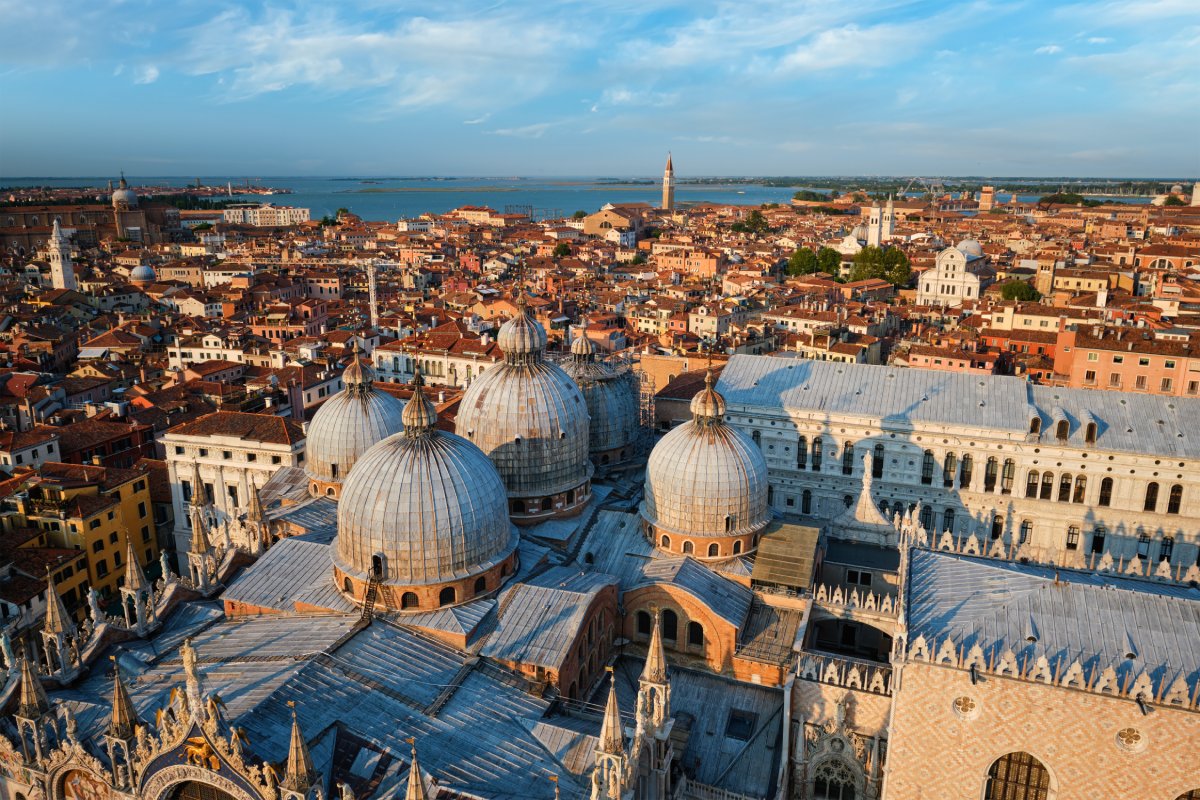
The beauty of St. Mark's Basilica lies not only in its architectural grandeur but also in its intricate iconography. The mosaics that adorn its walls are filled with hidden symbols and messages, offering insights into faith and artistry. Understanding these hidden meanings requires a deeper examination of the motifs and designs that have captivated visitors for centuries.
The Significance of Symbolism
Symbolism plays a crucial role in the artworks within St. Mark's Basilica. Every mosaic piece tells a story and carries profound meanings that extend beyond their visual appeal. The use of colors, figures, and layouts serves to communicate theological truths and spiritual insights, transforming the basilica into a visual catechism.
Understanding Mosaics
Mosaics are not merely decorative elements; they serve as a visual narrative thread throughout the church. They combine different materials, including glass and gold, to create vibrant images that reflect the glory of God. This craftsmanship contributes to their significance in conveying deeper layers of meaning.
Types of Mosaics in St. Mark's
| Type | Description |
| Figural Mosaics | Depict saints, biblical figures, and scenes that illustrate the Christian faith. |
| Symbolic Mosaics | Incorporate symbols like animals, plants, and geometric shapes with specific meanings. |
| Architectural Mosaics | Enhance the basilica's architectural features while conveying religious messages. |
Hidden Symbols in Iconography
Many mosaics contain hidden symbols that reveal deeper religious meanings. Unraveling these symbols requires discerning eyes and knowledge of iconographic traditions. Here are examples of hidden symbols found in the mosaics:
- The Lamb of God: Symbolizes Christ's sacrifice and redemption.
- The Peacock: Represents resurrection and eternal life.
- The Fish: An early Christian symbol of faith, referencing Christ and baptism.
The Role of Frescoes
Frescoes complement the mosaics by displaying vibrant narratives on the basilica's ceilings. They capture dramatic moments from biblical stories and reflect the spiritual journey of the faithful. These artworks enhance the worship experience, inviting believers to contemplate the divine messages embedded in their imagery.
Fresco Techniques and Their Significance
Using a technique known as buon fresco, artists painted directly onto wet plaster, allowing the colors to bond with the wall. This method not only preserved the artwork for centuries but also signified the permanence of the messages conveyed within the church.
Conclusion: The Spiritual Journey through Iconography
The hidden symbols and meanings within St. Mark’s Basilica's mosaics and frescoes create a rich tapestry of faith, art, and devotion. By exploring these artworks, visitors can embark on a deeper spiritual journey, uncovering the layers of meaning that lie beneath their surface. This iconographic exploration not only enhances appreciation for these masterpieces but also invites a greater understanding of the faith they embody.