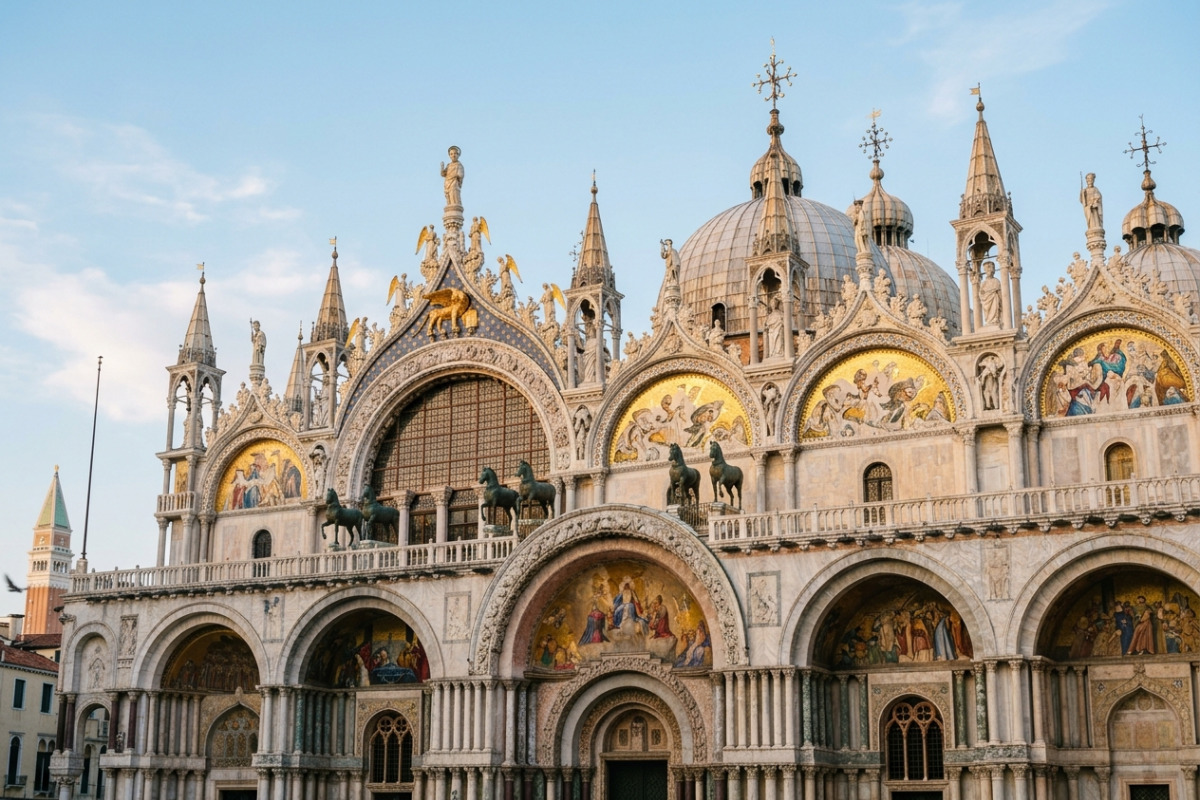
Visiting St. Mark's Basilica is a highlight for many travelers to Venice, but timing your visit can greatly enhance your experience. Whether you're hoping to avoid crowds, enjoy pleasant weather, or participate in local events, understanding the seasonal nuances of this iconic site is essential. In this guide, we will explore the best times to visit St. Mark's Basilica, along with practical tips to make the most of your trip.
Understanding Venice's Seasons
Venice experiences four distinct seasons, each offering a unique atmosphere and tourist experience. Spring (March to May) is characterized by blooming flowers and mild temperatures, making it a popular time for tourists. However, this also means larger crowds. Summer (June to August) can be hot and crowded, but it’s also when many festivals take place, adding vibrancy to your visit. Autumn (September to November) brings cooler temperatures and fewer tourists, while winter (December to February) offers a serene and magical experience, albeit with colder weather and the possibility of acqua alta (high water).
Each season has its charm, but the choice ultimately depends on your preferences for weather, crowds, and activities. Keep in mind that St. Mark’s Basilica is a working church, which means that services and events may influence visiting hours, especially during major religious holidays.
The Peak and Off-Peak Times
Understanding peak and off-peak seasons can help you plan your visit effectively. The peak tourist season runs from late spring through summer, particularly in July and August. During this time, the basilica can be crowded, and entry lines may be significantly longer. If you prefer a more peaceful experience, consider visiting during the shoulder seasons of late September to October or March to early April.
During the off-peak months of November through February, you'll find the basilica less crowded. However, it’s important to note that certain areas may have limited access, and some services might be suspended. For a quiet and reflective visit, these months can be ideal, especially if you're prepared for the cooler climate.
Special Events and Festivals
Visiting St. Mark's Basilica during special events can add a unique dimension to your experience. Major religious festivals, such as the Feast of St. Mark in April, draw larger crowds, but they also offer a chance to witness vibrant celebrations and ceremonies that highlight the basilica's spiritual significance. Additionally, the Venice Carnival in February features colorful masks and costumes, creating a festive atmosphere around the basilica.
To stay informed about upcoming events, check the official schedule on the Plan Your Visit page. This way, you can align your visit with special occasions that enhance your experience.
Planning Your Visit for the Best Experience
To make the most of your visit to St. Mark's Basilica, it’s crucial to have a plan. Consider purchasing your tickets in advance to avoid long lines. You can find ticket information at Tickets. Arriving early in the morning or later in the afternoon can also help you avoid the peak tourist rush.
Additionally, exploring the Sections of the basilica can provide you with insight into its architectural marvels and historical significance. Taking time to appreciate the intricate details of the mosaics and the stunning interiors will enhance your overall experience.
Conclusion: Making the Most of Your Visit
Choosing the best time to visit St. Mark's Basilica can transform your experience from ordinary to extraordinary. By considering seasonal variations, crowd levels, and special events, you can enjoy a more personal and enriching visit. Remember to plan ahead, check for ticket availability, and immerse yourself in the stunning beauty and history of this magnificent site. For more information on visiting, explore the Plan Your Visit section.